The Hidden Plumbing Problems That Can Close a Restaurant
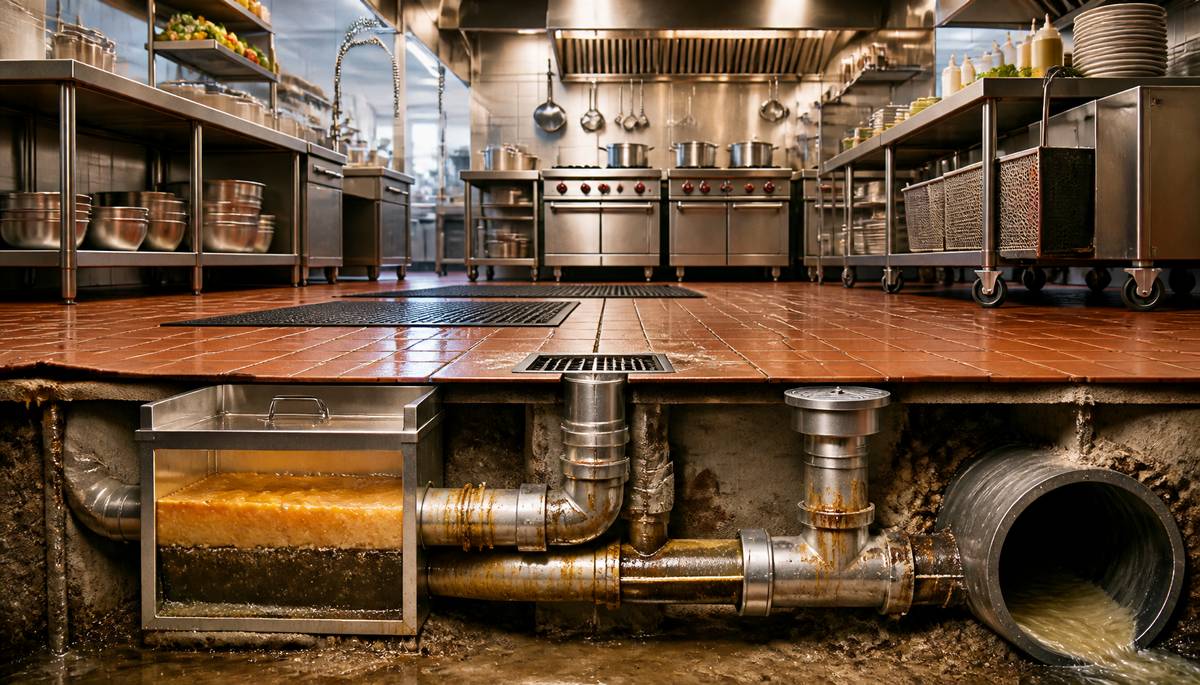 A restaurant can survive a temperamental chef, a disastrous review and even a customer who insists that the soup is too wet. What it cannot survive for very long is sewage rising through the kitchen floor. Beneath the stainless steel worktops, industrial ovens and carefully arranged ingredients lies an extensive drainage system that rarely receives attention until something goes spectacularly wrong.
Commercial kitchens generate enormous quantities of wastewater, often carrying grease, food debris, detergents and other substances that domestic plumbing systems encounter on a much smaller scale. When underground drainage infrastructure begins to deteriorate, the consequences can extend far beyond an unpleasant smell. A serious blockage can interrupt food preparation, create hygiene hazards and force an otherwise successful restaurant to suspend operations.Grease Traps and the Unappetising Reality of Cooking Fat
Every busy restaurant produces cooking oils and fats, whether from frying chips, preparing meat or washing greasy equipment. Although these substances may appear harmless while warm and liquid, they become considerably less cooperative as they cool.
Grease traps and grease separators are designed to intercept fats, oils and grease before they enter the wider drainage network. Wastewater passes through a chamber where lighter greasy substances separate and accumulate, allowing relatively cleaner water to continue towards the sewer.
However, these devices require regular inspection and emptying. When accumulated grease exceeds their effective capacity, fats can escape into downstream pipework, gradually forming stubborn deposits that restrict water flow.
A neglected grease trap can eventually resemble an archaeological excavation of every Sunday roast the restaurant has ever served. Unfortunately, the discovery is considerably less exciting than finding Roman coins.
Restaurants should establish cleaning schedules based on actual kitchen activity, equipment capacity and manufacturer recommendations rather than waiting until unpleasant odours announce that something is wrong.Floor Gullies and the First Signs of Trouble
Floor gullies provide essential drainage for commercial kitchens, particularly where equipment cleaning, spillages and routine washdowns generate significant volumes of wastewater.
These outlets typically incorporate traps that prevent sewer gases from entering occupied areas. However, food particles, sediment and grease can accumulate around grates and inside drainage channels.
Early warning signs include water draining unusually slowly, persistent unpleasant smells, bubbling sounds and wastewater appearing around floor outlets during busy service periods.
Staff sometimes dismiss these symptoms as ordinary kitchen inconveniences. Unfortunately, underground blockages rarely improve through determined optimism.
Regular cleaning of accessible grates, strainers and removable components can prevent debris from entering the system. Drainage channels should also be checked for damaged surfaces, missing covers and standing water.
Where wastewater repeatedly backs up despite routine cleaning, the problem may lie deeper within the pipework and require professional investigation.What Lies Beyond the Visible Drainage System
The pipes beneath a commercial kitchen may connect to inspection chambers, underground drainage runs and shared sewer connections serving an entire building.
Older restaurants sometimes inherit drainage arrangements designed for considerably lighter workloads. Poor pipe gradients, ageing joints, structural movement and previous alterations can create locations where solids accumulate.
Even relatively modern kitchens can suffer when drainage layouts contain unnecessary bends, inadequate access points or pipes that are poorly matched to operational demand.
Understanding these hidden connections is essential because a blockage beneath the floor may have developed many metres away from the outlet where wastewater first appears.
Cleaning Chemicals Can Make Matters Worse
Commercial kitchens rely on powerful cleaning products to maintain hygiene standards, but indiscriminate use of chemicals can create additional drainage problems. Certain substances may damage pipework, deteriorate seals or interfere with the biological processes used in some wastewater treatment systems.
Pouring aggressive drain cleaners into a blocked commercial pipe is particularly risky. The chemicals may fail to penetrate substantial grease deposits, leaving hazardous liquid trapped inside the drainage system. This creates additional dangers for maintenance workers attempting to clear the obstruction.
Kitchen staff should follow manufacturers' instructions, avoid mixing cleaning products and ensure that chemicals are compatible with drainage materials. Used cooking oil should be collected separately for appropriate disposal rather than poured into sinks, regardless of how enthusiastically somebody follows it with hot water.Preventative Maintenance Is Cheaper Than an Empty Dining Room
A restaurant's drainage maintenance programme should reflect its operating hours, customer numbers and food preparation methods. A small café serving sandwiches will generally place different demands on its drainage infrastructure than a busy restaurant operating several deep-fat fryers.
Practical preventative measures include regularly inspecting grease traps, removing food debris from sink strainers, cleaning floor gullies and keeping records of recurring drainage problems. Staff should understand which substances must never enter the wastewater system.
Professional drainage inspections can also identify developing problems before they interrupt operations. CCTV drain surveys allow specialists to examine underground pipes for grease accumulation, displaced joints, structural defects and obstructions without immediately excavating the kitchen floor.
Where significant deposits are discovered, professional cleaning techniques, including appropriate high-pressure water jetting, may restore drainage capacity. The correct method depends on pipe condition, accessibility and the nature of the blockage.When a Blockage Becomes a Business Emergency
A single slow-draining sink might appear manageable during a quiet afternoon. However, several fixtures backing up simultaneously, wastewater emerging from floor gullies or sewage odours spreading through food preparation areas suggest a more serious problem.
Restaurant managers should act promptly when these symptoms develop. Continued use of affected plumbing can worsen flooding, spread contamination and damage equipment or flooring. Where wastewater threatens food preparation areas, affected operations should stop until the contamination risk has been assessed and appropriate cleaning and repairs completed.
Emergency drainage contractors can investigate the underlying cause, isolate affected sections and recommend suitable repairs. In severe cases, damaged underground pipes may require excavation or specialist rehabilitation techniques.
Ignoring the problem until Friday evening service is an especially unfortunate strategy. Customers may forgive a missing dessert, but discovering an unexpected indoor water feature beside the salad station tends to discourage repeat bookings.Keeping Profits from Going Down the Drain
Reliable drainage rarely attracts compliments from restaurant customers, which is precisely how it should be. Nobody visits a restaurant hoping to admire its underground waste connections, although their importance becomes painfully obvious when they stop functioning.
For restaurant owners, the most effective approach combines sensible kitchen practices, scheduled maintenance and early professional investigation of persistent problems. Grease management, staff training and periodic drainage inspections can substantially reduce the likelihood of disruptive failures.
The cost of preventative maintenance is usually modest compared with lost bookings, wasted ingredients, emergency repairs and the reputational damage associated with an unexpected closure. Ultimately, looking after what happens beneath the kitchen floor helps ensure that everything happening above it can continue uninterrupted.
|
|
